
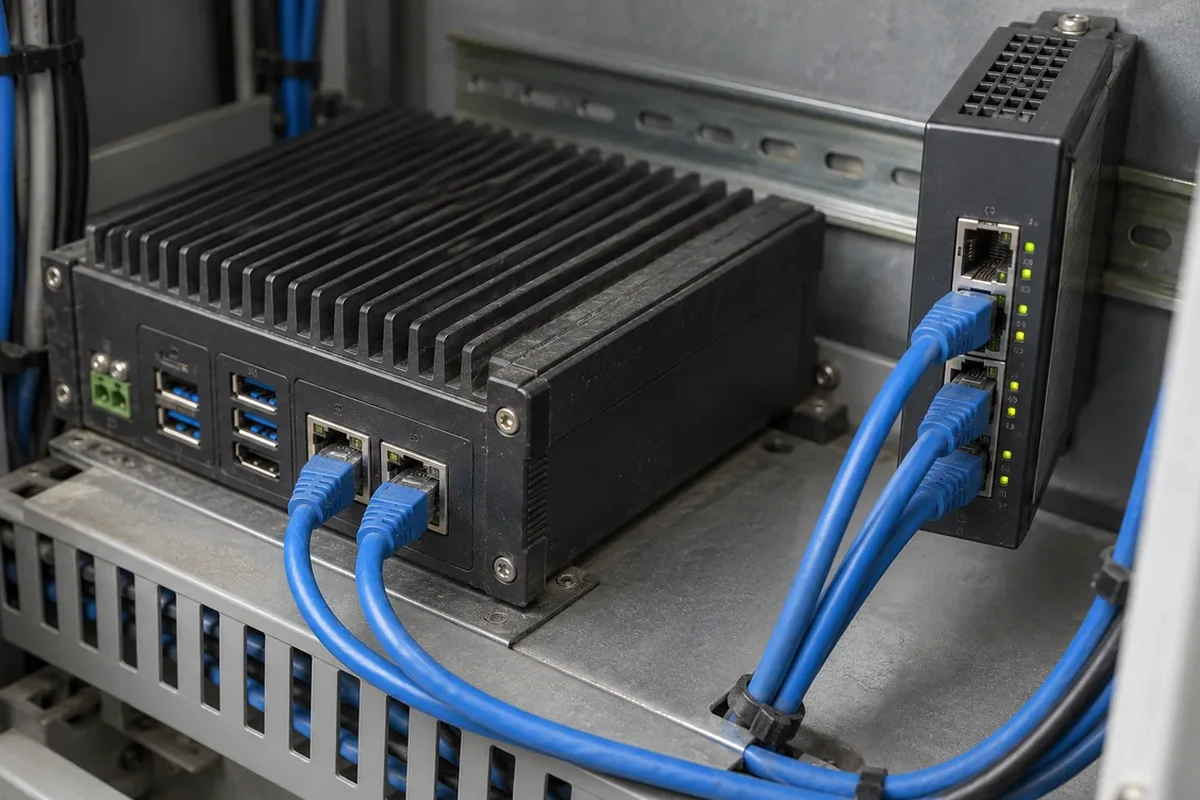
OPC UA PubSub vs Client/Server: Cyclic Telemetry & MQTT
In PubSub (Clause 4.1), Publishers and Subscribers are decoupled so the number of Subscribers receiving data from a Publisher does not affect the Publisher.
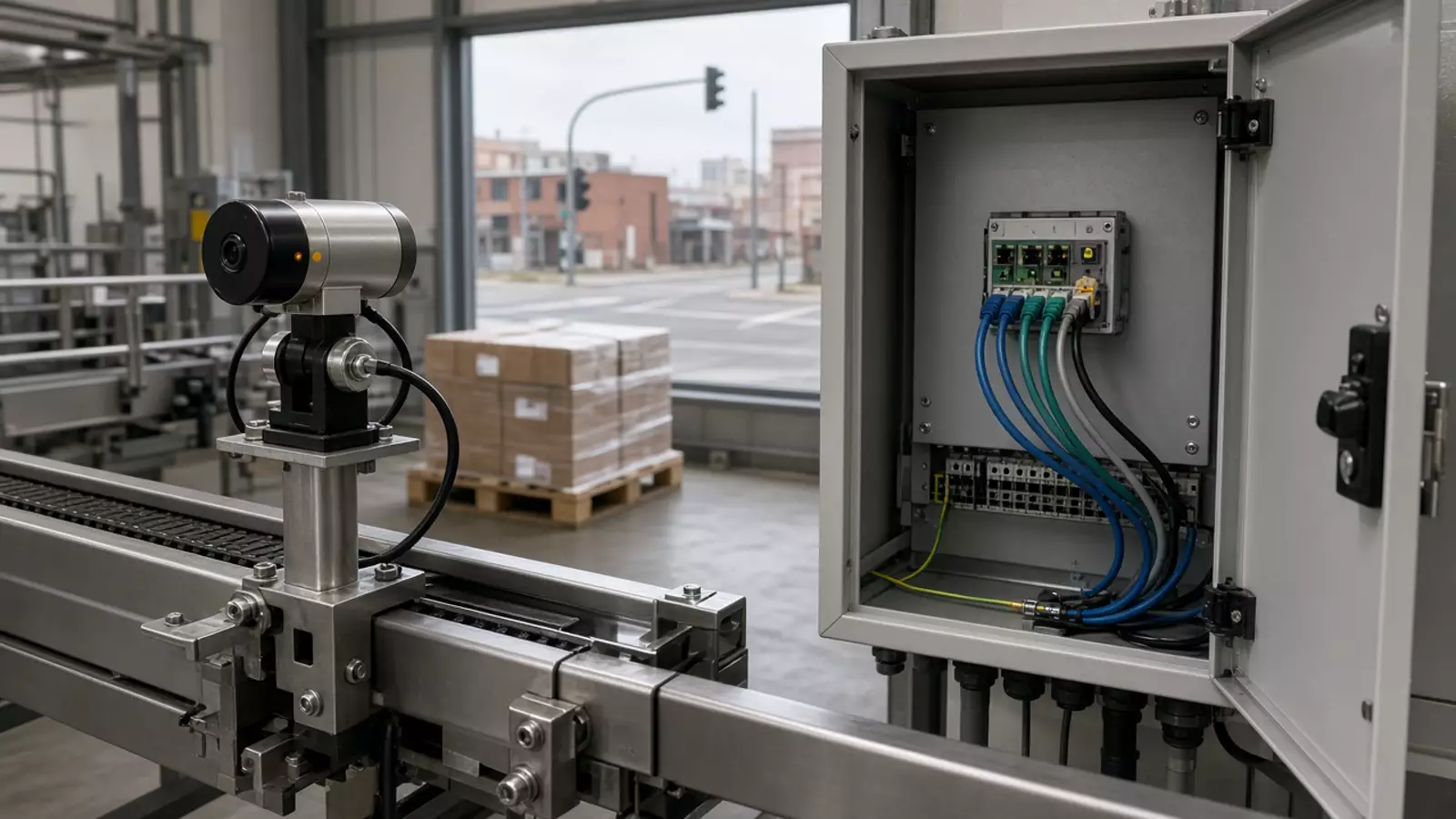
Technical guides
Independent guides to connected systems, packaging automation and intralogistics. Machine states, interfaces and handoffs are explained from public specifications. Worked counts use the conditions named in each guide.
01
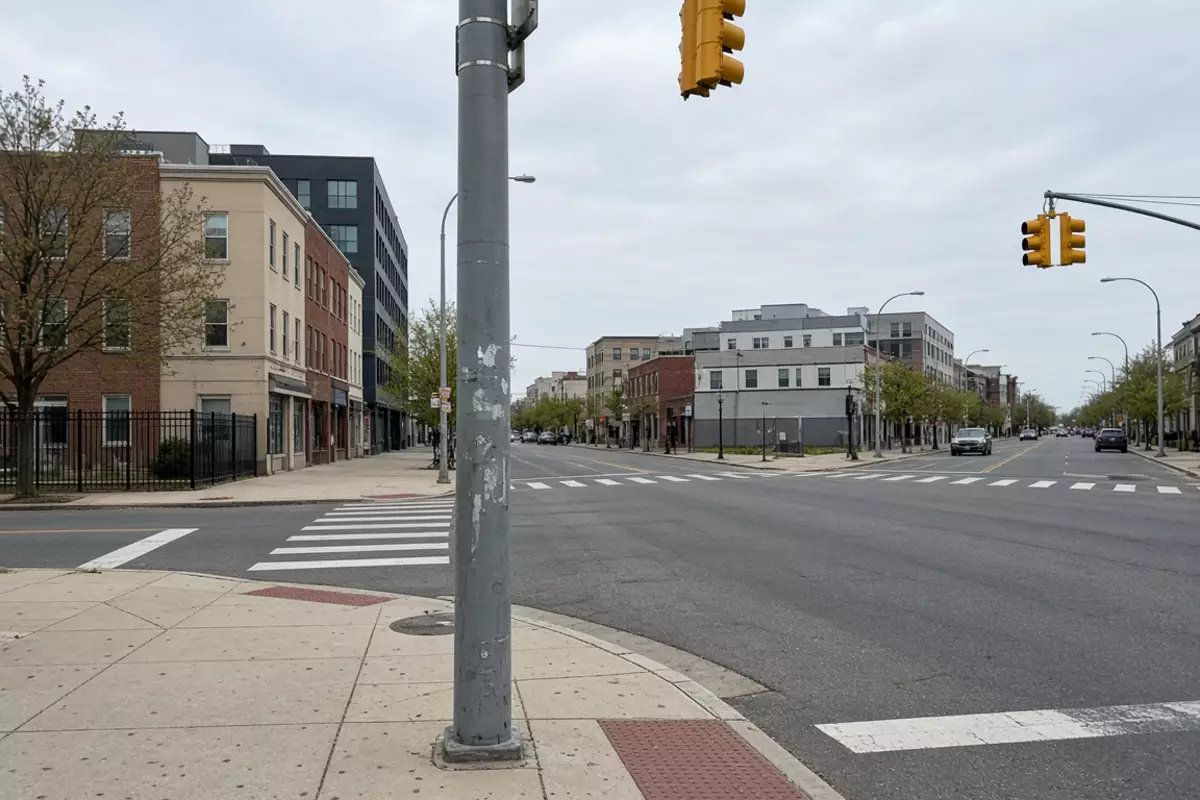
How vehicles, roadside units and traffic systems exchange information.
02
How to read industrial information models and keep protocol layers separate.
03
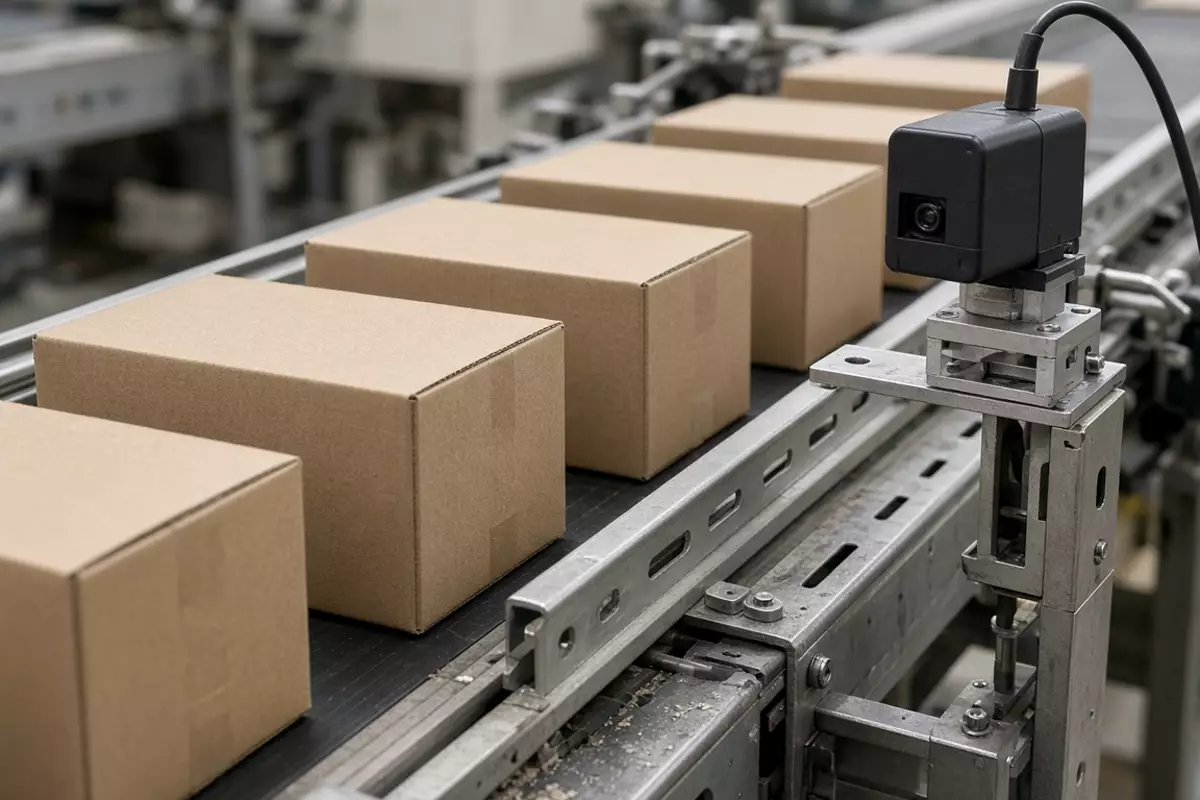
How packaging machines report state, exchange data, and hand work to the next station.

04
One guide on fleet-to-robot messages at a packaging handoff.
The packaging desk also covers line buffers and handoffs, reject verification and case and pallet handoffs.
In PubSub (Clause 4.1), Publishers and Subscribers are decoupled so the number of Subscribers receiving data from a Publisher does not affect the Publisher.

3GPP LTE-V2X PC5 and IEEE 802.11p (DSRC or ITS-G5) both operate in the 5.9 GHz band for direct communications. Compare C-V2X and DSRC radio access and RSU/OBU interoperability.
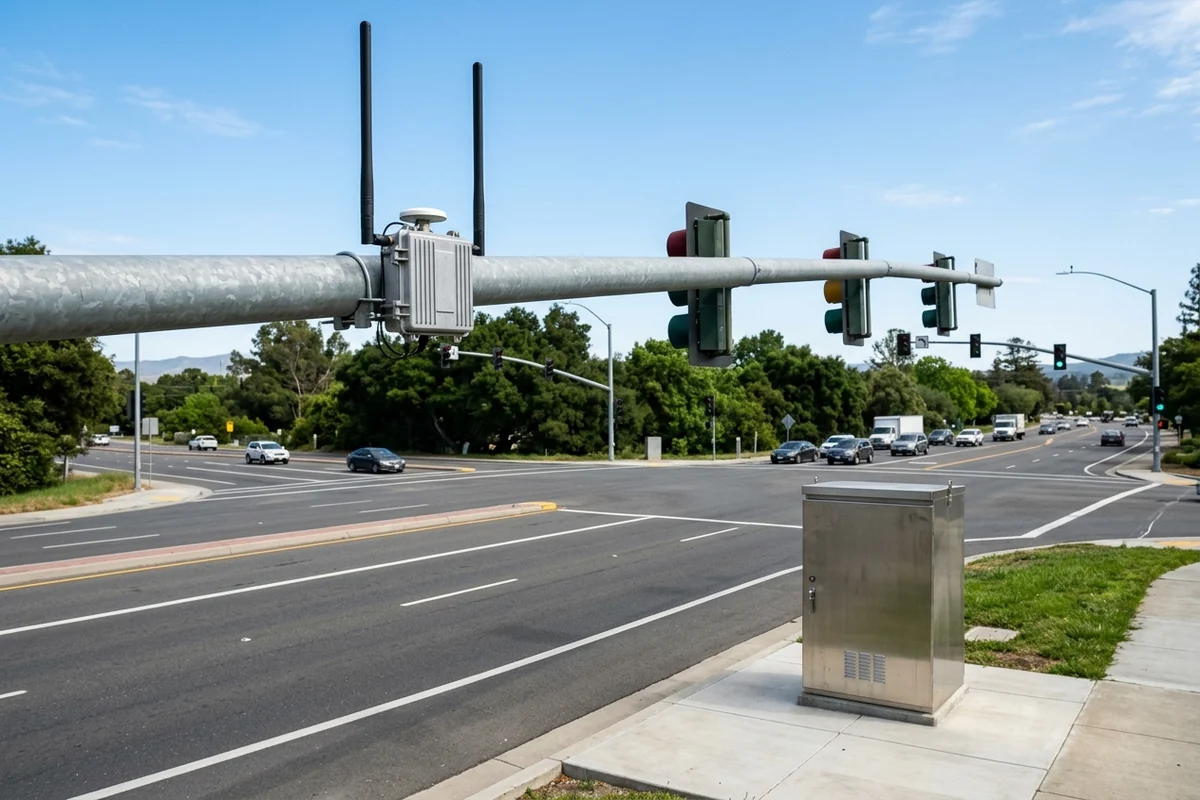
To support V2I applications, DSRC must be integrated with existing traffic equipment, such as Signal Controllers and backhaul connections to Traffic Management Centers (TMCs).
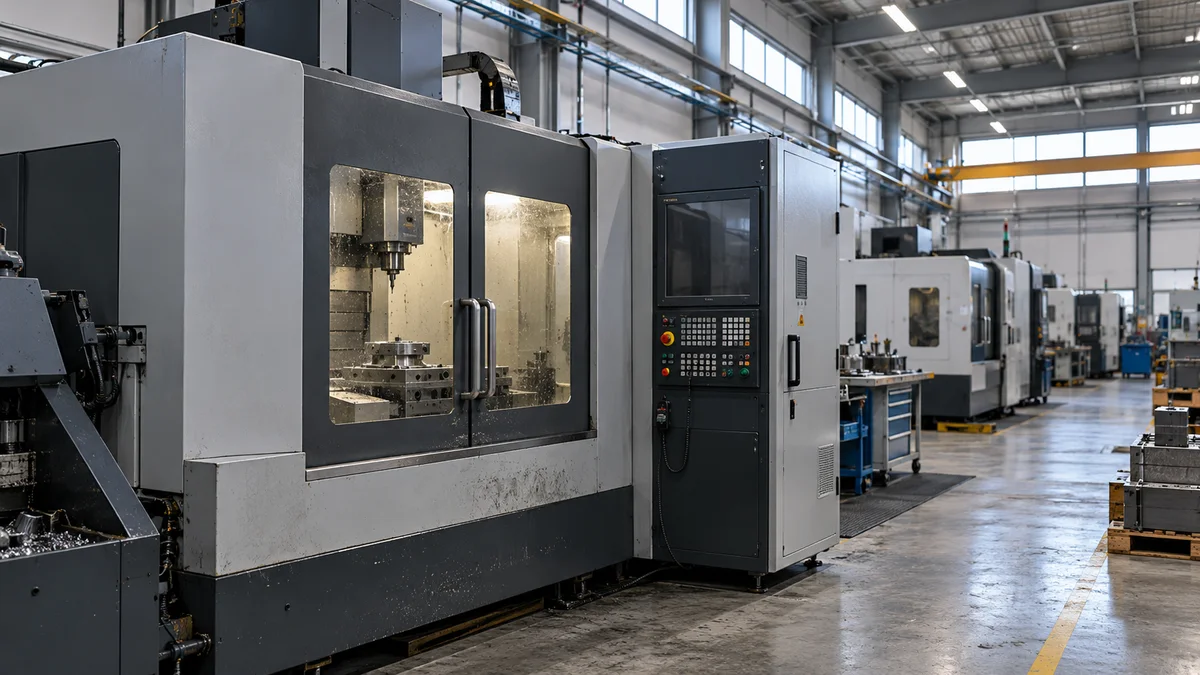
Compare MTConnect telemetry with OPC UA reads, writes and methods. Understand the companion specification and use a machine-interface selection checklist.
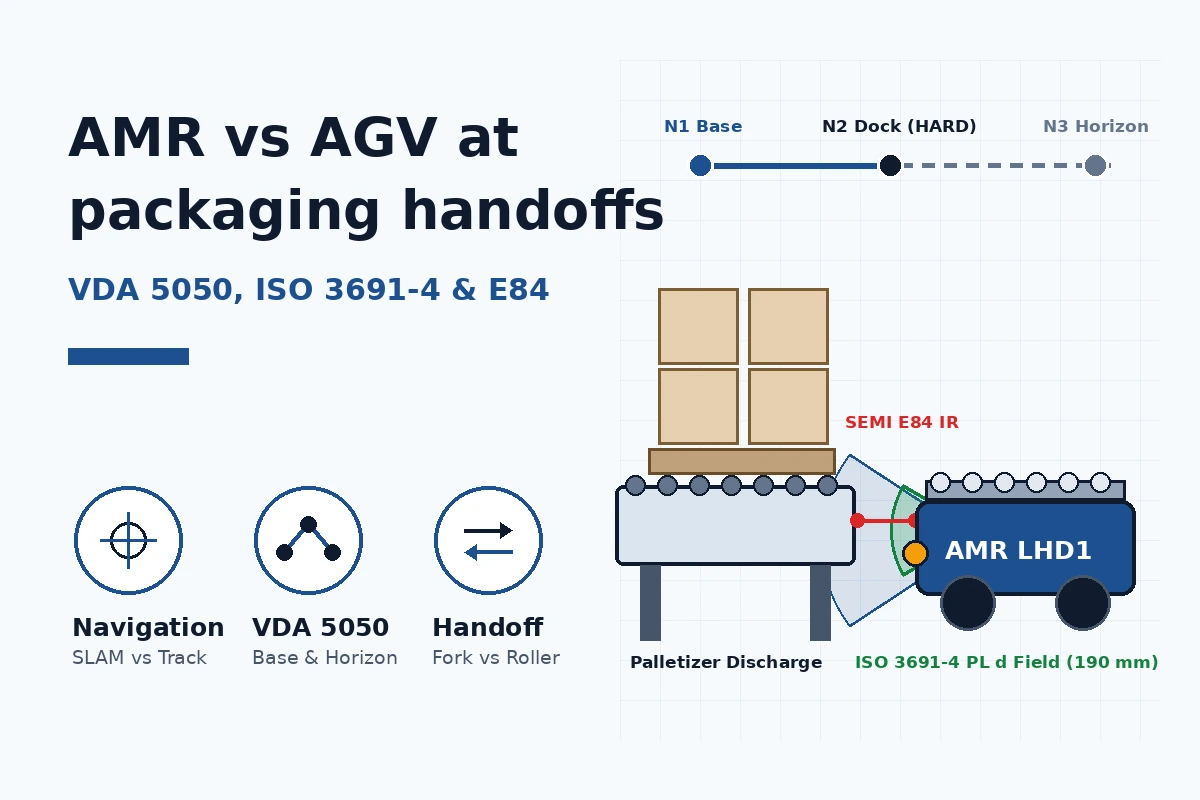
Compare AMR vs AGV navigation, VDA 5050 fleet management, ISO 3691-4 safety field switching, and pallet jack vs roller-top handoffs at packaging lines.
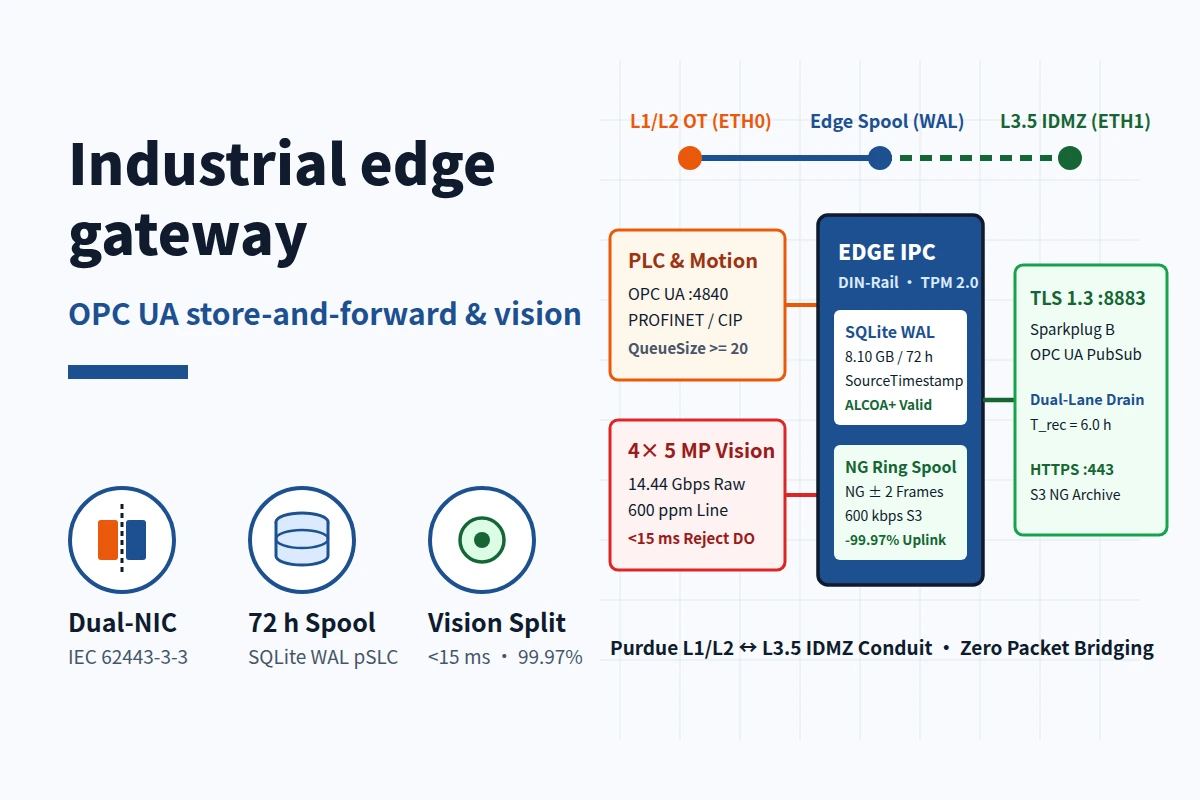
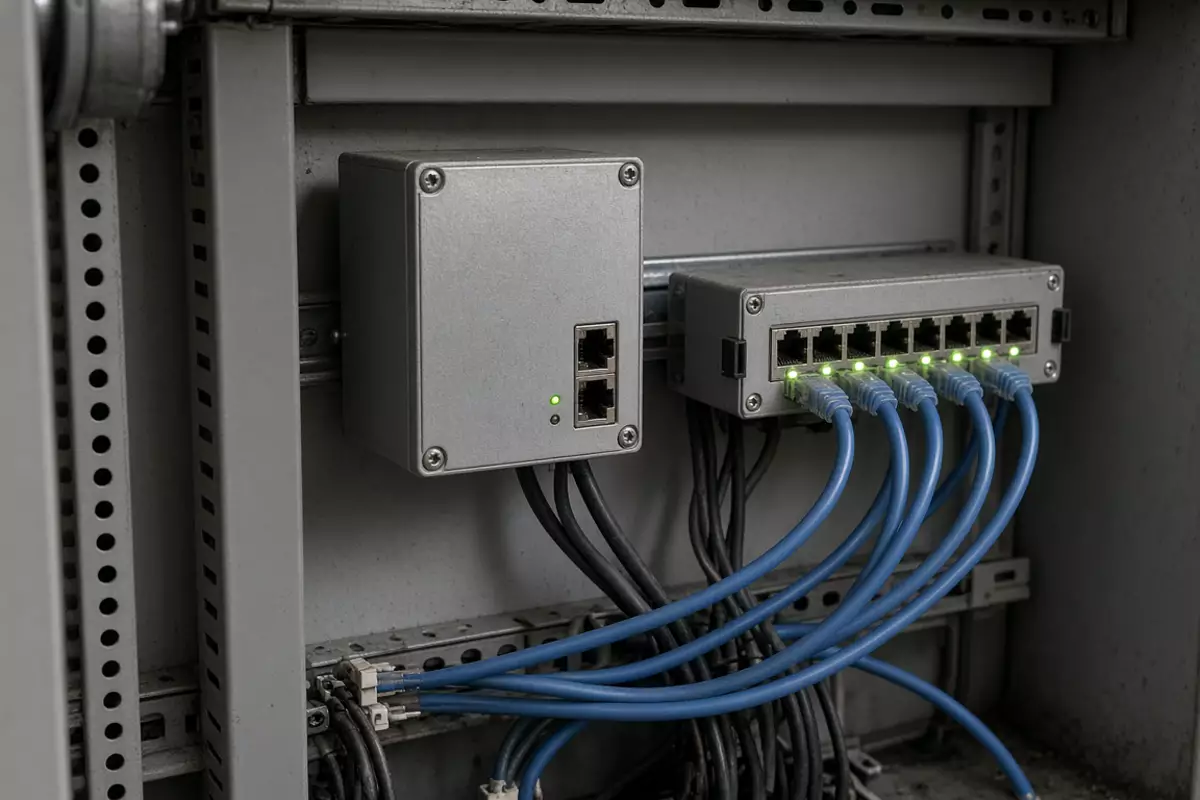
Design an industrial edge gateway for packaging lines with IEC 62443-3-3 dual-NIC isolation, OPC UA edge buffering, SQLite WAL spool sizing, and machine vision offload.
Mobility and the historical record
The mobility guides explain communication paths in general terms. The archive summarises a finished German research project from public sources. One does not prove the other.